
The marketers winning today aren't fighting AI, they're using it.
The divide isn't pro-AI versus anti-AI. It's the people still arguing about the tool versus the people who got on with the work.
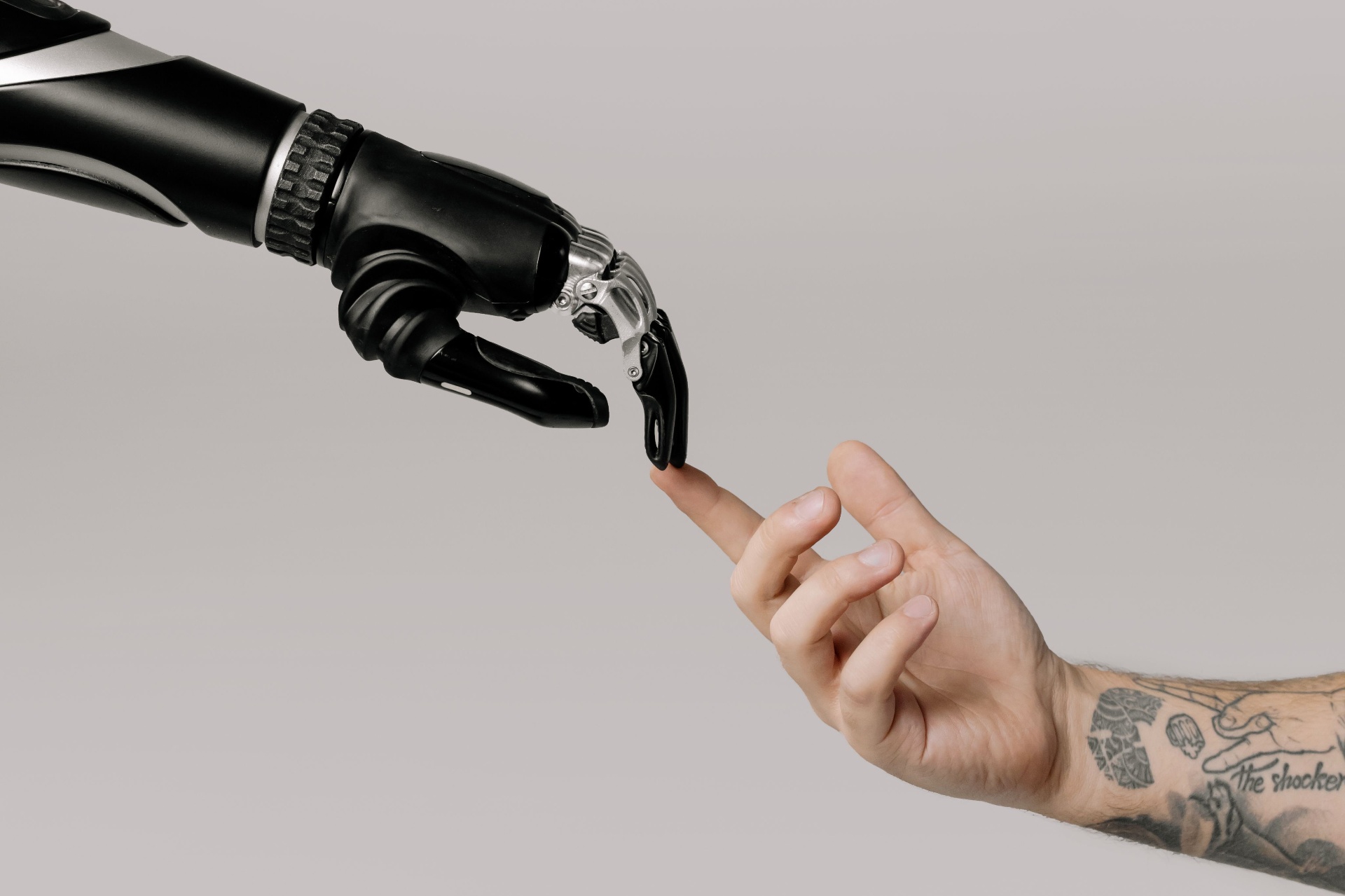
Walk into most marketing meetings right now and you'll hear the same worried questions. Is AI going to replace us? Is it cheating to use it? Do we need a policy? Meanwhile, in the same office, there's a marketer who stopped asking that months ago. They're on their fourth version of a campaign before lunch, and they're the one getting results.
That's the real divide. It isn't the people who like AI against the people who don't. It's the people still arguing about the tool against the people who got on with the work.
And to be fair, the worry comes from somewhere real. If your website traffic has dropped and the old tactics aren't landing, you're not imagining it. Search has changed. Around two-thirds of Google searches now end without anyone clicking a result, and that share keeps rising as AI answers more questions on the page itself. People get what they need without ever visiting a website.
Here's the part worth sitting with, though. The same shift that's pulling your traffic down is also the biggest opening you've had in years. Research, personalisation and fast testing used to be locked behind big agency budgets. Now they're sitting on your desk, and you just need to know how to use them.
There are two ways to lose
The first is to refuse to use it. A lot of good marketers have drawn a line and decided their skill will keep them safe. It won't. This isn't because their work is bad. It's because the person at the next desk now does in a day what used to take two weeks. They write five versions, test them, see what works, and improve it before the person who refused has finished a first draft. That isn't about talent. It's about how many times you can try, fail, and learn before the day is over.
The second way is the opposite, and you see it everywhere now. Type a brief, copy the output, publish it, then do the same again tomorrow. Technically, it is content. It's neat, it's on topic, and it sounds exactly like everything else made the same way. There's a huge amount of it online, and readers have learned to spot it and scroll past. Once anyone can write decent copy in seconds, decent copy is worth very little.
So neither extreme works. Refuse, and you fall behind on speed. Give in completely, and you lose the thing that made the work worth reading. The right answer sits in the middle, and it asks more of you than either side.
Start with what only you can say
Before AI touches anything, get clear on who you are: what you stand for, who you're for, and why someone should choose you over the next option. This is the step most people skip. A surprising number of businesses can't say in one clear line what makes them different, and it shows in everything they publish.
This matters more now, not less. AI is very good at the average of everything that's already been written. If you hand it nothing of your own, the average is exactly what you'll get back. Give it a clear sense of your voice, your customer and your point of view, and it has something real to work with. The tool doesn't replace your taste. It runs on it.
So write down how you sound and what you believe. You can even use AI to help shape that into a simple brand guide. But the raw material, the actual point of view, has to come from you. Nobody else can give it.
Then put AI to work on the heavy lifting
Once it knows what you stand for, hand it the parts of the job nobody enjoys. Reading three hundred reviews and pulling out what customers keep saying. Turning one good article into two weeks of social posts. Writing a dozen subject lines so there's something to react to instead of a blank page. Sketching a rough layout so the real work, the editing, can start sooner. None of that is the marketing itself. It's the setup around it, and that's exactly the kind of job you should be glad to pass on.
You can go further than chores, too. Describe your ideal customer to the tool in detail, then ask it how a campaign might land with that person. What would catch their eye? What would put them off? It won't be perfect, but it gives you quick, useful feedback of the kind that used to need a paid focus group and a month of waiting. You get to test an idea before you spend real money on it.
Make it personal, and mean it
For years, personalisation meant putting someone's first name at the top of an email. You can do far better than that now. With good information about a customer, AI can shape the actual message for the person in front of it, not just the segment they fall into. Picture a local coffee shop sending out emails where the jokes match each customer's taste. You could never write a separate version for every name on your list by hand. The tool can.
People worry that using AI will make their brand sound generic. Most of the time, that's not the tool's fault. It's a sign of lazy input. Feed it thin, vague instructions and you'll get thin, vague writing. Feed it real detail about real people and it can do something a human team simply wouldn't have the hours to match.
Show up where the answers happen now
If customers are getting their answers straight from AI, then it matters whether your business shows up inside those answers, not just in a list of blue links. This is the new version of the old game. For years the goal was to rank near the top of the results. Now the goal is to be part of the answer the AI gives. Pick a sensible way to work on that and build on whatever visibility you already have.
There's an upside hiding in the traffic drop, as well. Fewer people may reach your site, but the ones who do have usually done their homework first. Everyone now has the same research at their fingertips, so by the time someone lands on your page, they often know exactly what they want and are closer to buying. The visits are fewer but better.
And because AI is handling so much of the repetitive work, you've got more time and budget for the channels people are drawn to again. That might mean real events where customers can meet you in person, or partnerships with creators your audience already trusts. These human touches stand out more, not less, in a world full of machine-made content.
Every round makes the next one better
The old way of learning was slow. You'd run a campaign for weeks, then sit through a round of meetings to work out what happened. By the time you knew what worked, the moment had passed.
Now you can ask in plain language what landed and what didn't, and adjust while the campaign is still running. Each time you go round, you learn something and the next attempt is sharper. The work compounds. That steady improvement, week after week, is where the real gains come from.
The skill no one lists on a CV
Notice what all of this has in common. The skill that matters most now isn't writing, design, or buying ads. It's knowing what to hand over. You need to know when a quick draft is good enough to fix, and when it's so far off that you should start from your own idea instead. You need to know how to give the tool clear instructions, and how to catch it when it gets things wrong and sounds sure of itself.
That judgement is the whole game, and it's what sets the two groups apart. It doesn't come from the software, because everyone has the same software. It comes from the person using it, and from knowing the brand, the customer and the goal well enough to point a fast tool at something worth doing.
This is the hard truth for anyone who hoped AI would either go away or quietly do their job for them. It hasn't made marketers replaceable. It's made the gap between a good one and a weak one easy to see. Give a good marketer these tools, and they go further and faster than they could alone. Give the same tools to a weak one, and you just get more forgettable work, faster. The tool makes the most of whatever you bring to it, and it brings nothing on its own.
So, where does that leave you
The question was never really humans against AI. It's humans with AI, and it's the same question marketers have faced with every new tool. What are you trying to say? Who needs to hear it? And can you guide a tool towards that, instead of letting it lead you?
Big shifts like this one don't come round often. The marketers who moved early on the last few, when search and social were new, did very well out of it. This change is bigger, and the main reason people hesitate is that it feels like a loss of control. That's understandable. But the opening is real, and it rewards the people willing to actually use what's in front of them.
Get that right, and AI is the best junior you've ever worked with. Get it wrong, and it's just a faster way to be ignored. The marketers winning today worked that out early. They stopped arguing about the tool and went back to the work.
This is how we work at Instict Labs. The tool does the heavy lifting. People bring the judgement, the taste, and the point of view that actually move a brand. If you'd rather use these tools well than hide behind them, book a consultation and we'll show you what that looks like for your business.
Got something worth building?
Tell us what you're working on. If it's a fit, we'll show you exactly how we'd approach it, and what it would take to do it properly.